
Changes to our charges

Find out how our charges are changing, what this means for bills, and how we can help if you’re struggling to pay.  


We are investing more than ever in our services. To help us deliver improvements, some of our charges will be increasing on 1 April 2026.

We know that price rises are always unwelcome, so we can help with your water bill if you are struggling to pay.

Why have our charges increased?

Over the next five years, we are embarking upon a major programme of work across our water and sewerage networks. Our plan for 2025-2030 sets out the improvements we are seeking to deliver for our customers and the environment.

These include:

  • removing 1,550 tonnes of nutrients in our waterways to improve river and coastal water quality
  • reducing the operation of more than 100 storm overflows – harnessing traditional treatment solutions alongside nature-based solutions such as wetlands
  • rolling out innovative sewer monitors to predict problems in the network and real-time water quality monitoring for bathing waters
  • reducing leakage across our network by a further 20% (compared to 2019-20 levels).

Where we are investing 

To achieve this, we are investing more than £3 billion in projects across the region to protect the environment and keep taps flowing in a changing world.

Much of this investment is required to meet new standards and obligations that are coming into force, as well as more stretching targets that regulators are setting for the water industry from 2025 onwards. It also reflects customers’ and stakeholders’ views about what improvements should be prioritised, following extensive research.

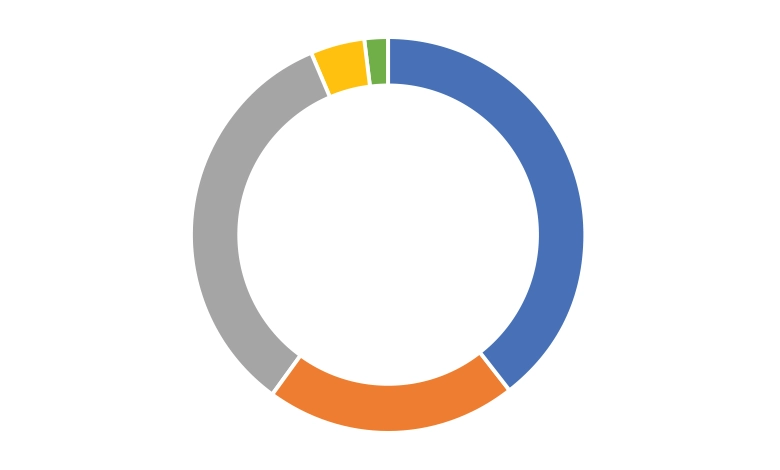
The chart below shows the key areas where we are investing.

Pie chart with different colour sections to symbolise where Wessex Water are investing money

Improving drinking water quality: £60m

Replacing lead pipes and tackling PFAS and other chemicals.

Protecting water supplies: £140m

Reducing leakage, developing reservoir capacity and rolling out smart meters to households and businesses.

Maintaining our assets: £1.06bn

Repairing and replacing mains pipes, sewers, pumping stations and other parts of our network, to ensure resilient services now and in the future.

Water pipes, sewers and treatment centres: £650m

Tackling storm overflows and increasing the capacity of our water recycling centres.

River water quality: £1.25bn

Upgrading our water recycling centres to remove nutrients from our waterways. Rolling out water quality monitors across our region.

Further information is available on the investment schemes we are actively advancing, along with those planned for future delivery.

What does this mean for your bill?

Bill changes explained

Although most customers’ bills will increase broadly in line with the average increase in our charges, the actual change in bills depends on factors that are specific to each household.

Your latest bill contains further information on how charges have been calculated and applied. You can also find out more about reading your bill.

What if you are struggling to pay your bill?

We understand that for some households, an increase in your water bill could be hard to afford. If you are struggling, please don’t worry, as we can help you with your bill.

Customers on our Assist tariff will see their charges go up by no more than inflation. And discounted rates for low-income pensioners and customers on our WaterSure tariff remain available on the same terms as before.

You might also find you could make savings on your bill by having a meter fitted. The average saving made for customers switching to a meter is £125.

We can all save energy and money by using less hot water – see our advice on how to save water, energy and money.